The alarm goes off, the phone gets grabbed, the curtains stay shut. Most of us treat morning light as optional. But that’s not the whole story.. your body was doing something clever with that light before you decided to ignore it.
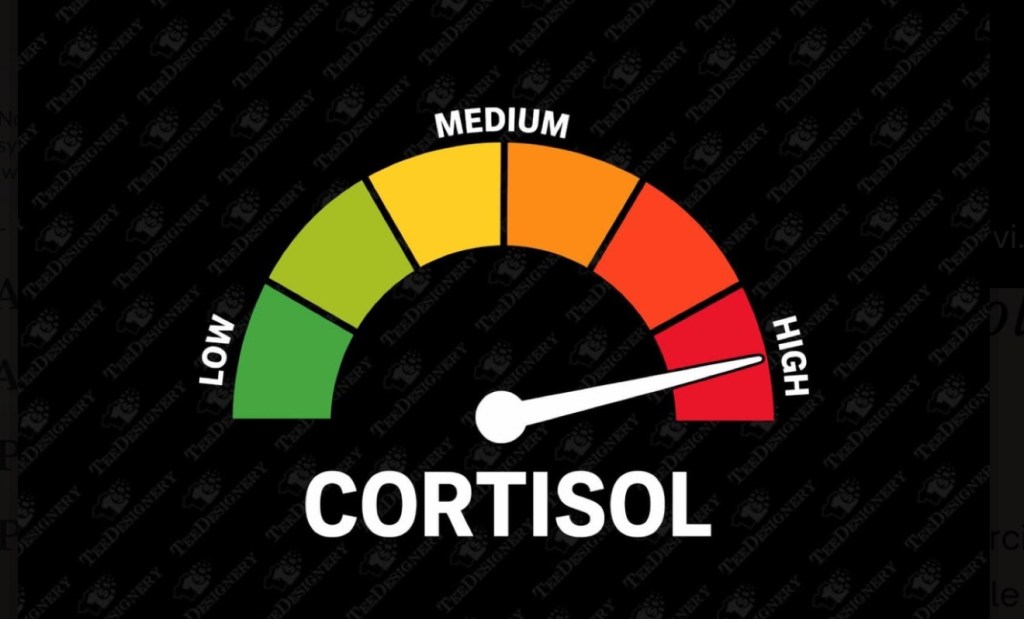
Andrew Huberman, a neuroscientist at Stanford University, makes a simple case: cortisol isn’t the villain everyone assumes. It’s a rhythm. Get it right in the morning and it fades quietly by night. Get it wrong, and it shows up uninvited at 2am, like a party guest who’s misread the invitation.
The mechanism is straightforward. Sunlight hitting the eyes, no sunglasses, no cheating through a window, reports straight to the brain’s master clock.
Within the first hour of waking, this triggers a healthy cortisol surge that sharpens mood and focus, then sets up a lower trough later that helps you sleep. Ten minutes does it, longer if the sky’s doing its usual grey impression.
Why delay the coffee?
Because caffeine and cortisol are both stimulants, and stacking them is like double-booking your own energy.. you pay for it by mid-afternoon. Cold showers work differently: mostly adrenaline, giving you the jolt without piling more cortisol onto an already-firing system.
The evening is where people undo the morning’s work in about four minutes of doomscrolling. Bright light after dark tells the brain it’s still daytime, delaying the cortisol decline and any hope of drifting off unaided. Dim the lights. Skip the late workout.
Nobody’s asking for monastic restraint, just enough to stop sabotaging yourself, which, admittedly, isn’t Britain’s strong suit either.
The twist: none of this suppresses cortisol. It just lets the hormone do its one job properly in the morning, so it isn’t forced into an unscheduled encore at midnight.
Which is, rather elegantly, an argument for simply going outside, something your ancestors managed without a podcast to tell them.
 Simply K
Leave a comment