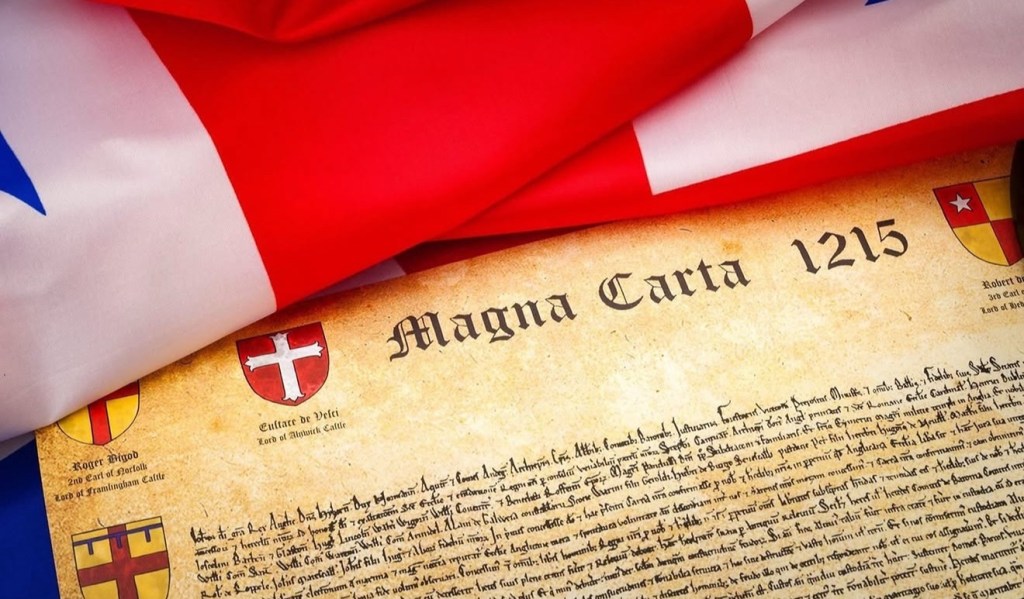
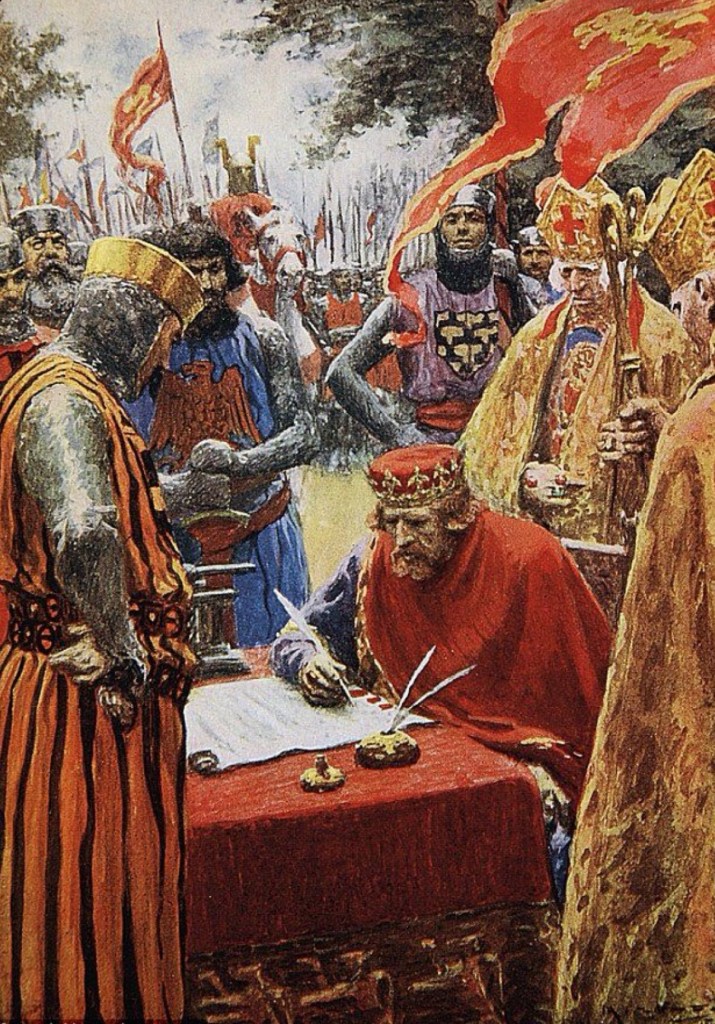
The year is 1215. The king is John of England, 48 years old and thoroughly out of patience with everyone. A man so disliked that history remembers him mostly by his nicknames. Honestly, the whole saga reads like a few useless line managers I’ve ever had, rolled into one crown: overpromised, underdelivered, blamed everyone else, somehow still employed. Picture the poor sod standing in a soggy meadow by the Thames, barons in armour all around, about to press his seal onto a document he’d rather not sign at all. That’s Magna Carta being born. But that’s not the whole story.
John had earned those nicknames the hard way: “Lackland,” for losing his family’s territory in France, and “Softsword,” for losing it badly. After a humiliating defeat at Bouvines in 1214, he came home broke and unpopular, having taxed his barons half to death to fund the whole disaster. They’d had enough. In May 1215 they seized London, and suddenly John had no army left to argue with. Negotiation, it turns out, is what happens when your options run out.
At Runnymede, the barons handed him a wish list, later called the Articles of the Barons and Archbishop Stephen Langton hammered it into a formal charter.
“Magna Carta” is Latin for “Great Charter,” and underneath the grand name it was really just a peace deal: the king agreed he wasn’t above the law, that free men couldn’t be jailed without a fair trial, that the church kept its rights and that taxes couldn’t be dreamed up on royal whim. On 15 June 1215, John sealed it. Not signed. Sealed. Medieval kings didn’t do autographs; they let a lump of wax do the talking. Very on-brand for a man already known for not following through.
So did it instantly usher in the age of liberty and justice for all?
Not remotely. Within ten weeks, Pope Innocent III annulled it, calling it “shameful, demeaning, illegal and unjust” which, translated from Latin, roughly means “absolutely not.” As if the memo wasn’t humiliating enough, he was dead within the year, at Newark, reportedly of dysentery, though rumours of monkish poisoning have always been the juicier story.
Here’s the twist, though. Magna Carta refused to stay dead. Henry III’s minority government reissued it, and it kept getting reissued for decades, quietly hardening into the idea that even a king answers to the law. Of its original 63 clauses, only three technically remain law in England today.
Four original 1215 copies survive: two at the British Library in London, one at Lincoln Cathedral, one at Salisbury Cathedral, still legible after eight centuries.
Was it a triumph of justice, or history’s most successful rebound relationship?
Either way, it stuck around longer than anyone at Runnymede expected, including, one suspects, Poor King John himself.
 Simply K
Leave a comment