The world’s most wanted watch is made by a charity. How it got there is a better story than the watch
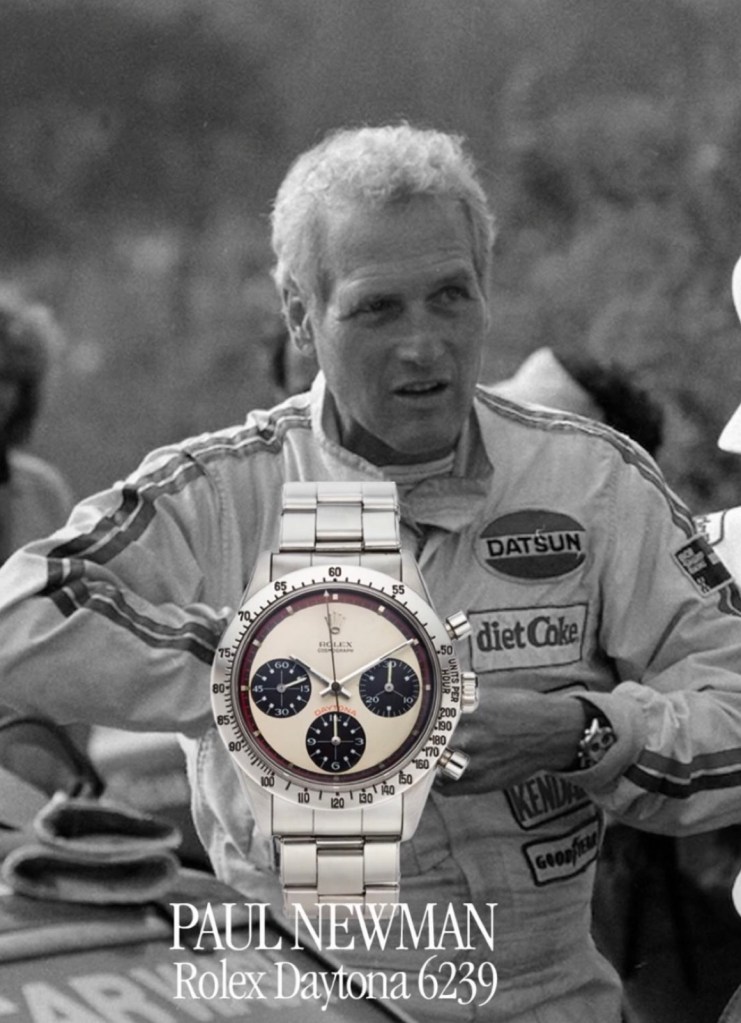
In October 2017 a phone bidder in New York paid $17.8m for a battered steel Rolex. It had belonged to Paul Newman, who’s wife had engraved the back: “Drive carefully me.” Newman later handed it to his daughter’s boyfriend, telling him it kept decent time if he remembered to wind it. The boyfriend sold it decades later and set a world record.
Not bad for a brand whose name means nothing.
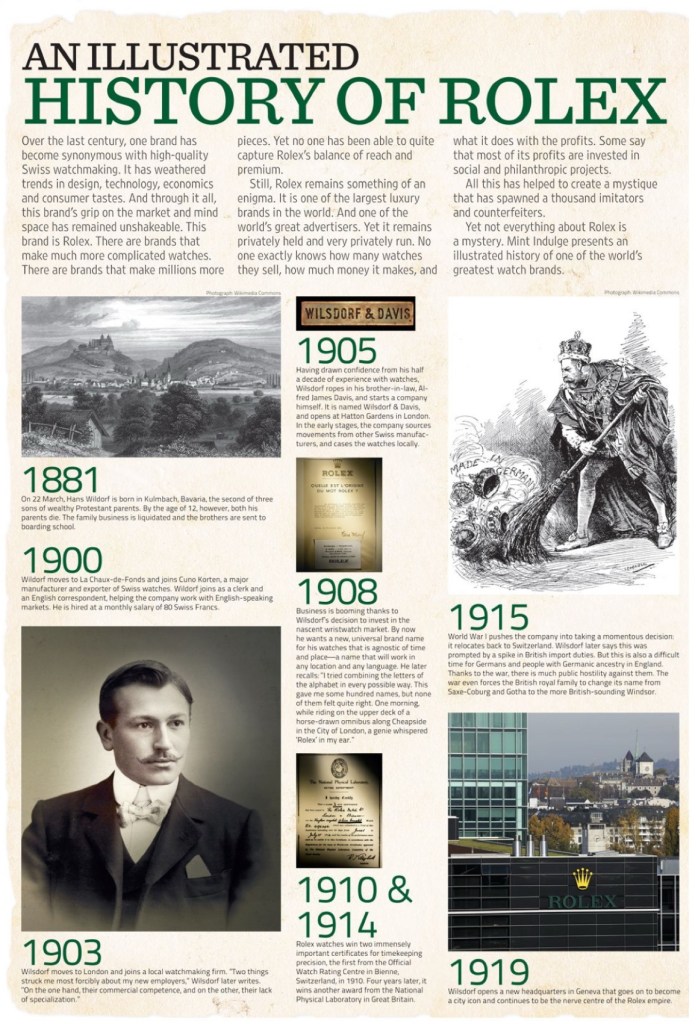
Hans Wilsdorf, the man behind it, was a Bavarian orphan, both parents gone by the time he was 12.
In 1905, aged 24, he started a small watch business in London with his brother-in-law. In 1908 he invented the word Rolex, reportedly on a horse-drawn bus, mainly because it sounded the same in every language. Then came the war. A German name and a business built on imported luxury was not a winning combination in 1914 London. By 1919 he was in Geneva.
His real gift was not watchmaking. It was showing off.
In 1926 Rolex launched the Oyster, the first properly waterproof wristwatch. Sealed tight, goes for hours, Before this, getting your watch wet was a bit like getting your laptop wet today. Rolex fixed that in 1926.
But how do you prove waterproof in 1926?
You find a swimmer.
Mercedes Gleitze, a London typist, had just become the first British woman to swim the Channel. Then another woman claimed a faster crossing, admitted she had faked it, and suddenly nobody believed Mercedes either.
So on 21 October 1927 she went back in to prove herself, with a Rolex round her neck. After more than ten hours in freezing water she was pulled out, miles short of France.
The watch was fine. Wilsdorf bought the front page of the Daily Mail to say so. She got hypothermia, he got the headline, and modern advertising was more or less born.
In the second world war, when German guards took the watches of captured British pilots, Wilsdorf sent them new Rolexes, payment due after the war. Think about that deal. He was betting that Britain would win and that the customer would live.
In 1944 his wife Florence died. They had no children. A year later he set up a foundation in her name and moved his shares into it.
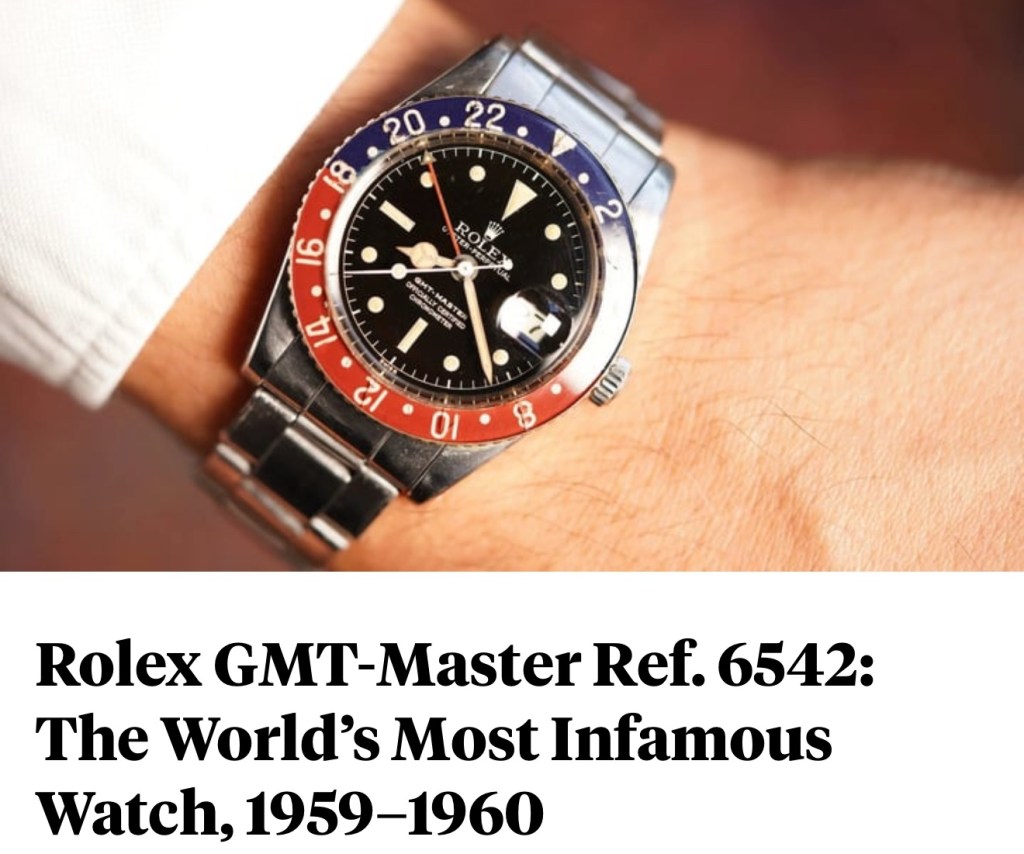
Then Rolex took off. In 1953 Tenzing Norgay wore one to the top of Everest. Edmund Hillary, awkwardly, wore a British Smiths, and Rolex quietly admitted Smiths got there first. It named a watch after the climb anyway. In 1955 the GMT-Master became Pan Am’s official watch, showing two time zones at once, very handy for pilots with a wife in each.
In January 1960 a Rolex was strapped to the outside of the Trieste and sent almost 11km down into the Mariana Trench. It came back ticking, and now sits in the Smithsonian.
Wilsdorf died six months later.
Then cheap quartz nearly killed the whole industry. Swiss watch jobs crashed from about 90,000 in 1970 to 28,000 by 1988. Rolex worked out it was never really selling time. It was selling status, and no battery can do that.
Morgan Stanley estimates Rolex’s retail sales hit about $20.6bn in 2025, more than the Apple Watch, while it made 2% less watches, on purpose. Until 2023 it owned exactly one shop.
Then it bought Bucherer, which has more than 100.
So who gets the money? Not shareholders, there is none. It goes to the foundation, which paid for a whole bridge in Geneva and funds causes across the city.
Rolex itself is still in Geneva, in the Acacias district.
Most founders want their name on the building. Wilsdorf wanted his wife’s memory in the bank. A century later, the orphan with no heirs has the most loyal family in business: millions of strangers, happy to wait years to pay him.


Leave a Reply