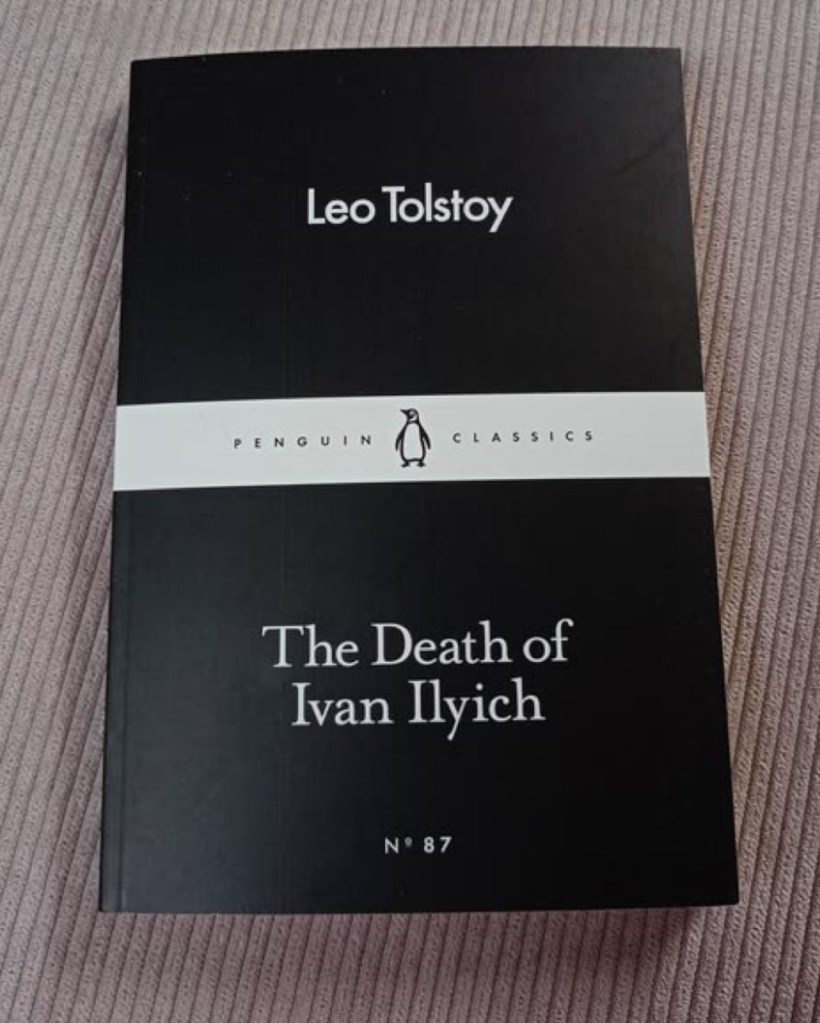
I recently finished The Death of Ivan Ilyich, and I didn’t expect such a short book to leave such a lasting impact.
On the surface, it’s simple: a successful man falls ill and slowly dies. But beneath that, it’s something far more unsettling. It’s a mirror.
Ivan Ilyich is everything society tells us to become. He builds a respectable career, becomes a high-ranking legal figure, marries appropriately, and lives a life that looks “right” from the outside. Yet, as the story unfolds, you begin to see the cracks.
He spends less and less time at home. His marriage becomes a source of irritation rather than comfort. His real moments of enjoyment shrink to small, controlled escapes like playing bridge. Life becomes structured, efficient, and outwardly impressive — but emotionally hollow.
And then comes the illness.
What makes Tolstoy brilliant is that he never clearly defines it. The disease itself almost doesn’t matter. What matters is what it does to Ivan: it strips away his illusions.
For the first time, he is forced to confront a terrifying question:
“What if my entire life was wrong?”
At the beginning of the story, Ivan is not particularly likable. In fact, to some around him, he comes across as cold, self-centered, even somewhat despicable. His relationships are shallow, his priorities conventional, and his life feels more performed than lived.
But something changes.
As his condition worsens, the roles fall away. The status, the pride, the social mask — all of it becomes irrelevant. What remains is not a powerful man, but a frightened human being.
And this is where the emotional shift happens.
You stop judging him.
You start feeling sorry for him.
Because his tragedy isn’t dramatic or unique. It’s ordinary. It’s the slow realization that he spent years optimizing for the wrong things — for prestige, status, and external approval — while neglecting what actually makes life meaningful.
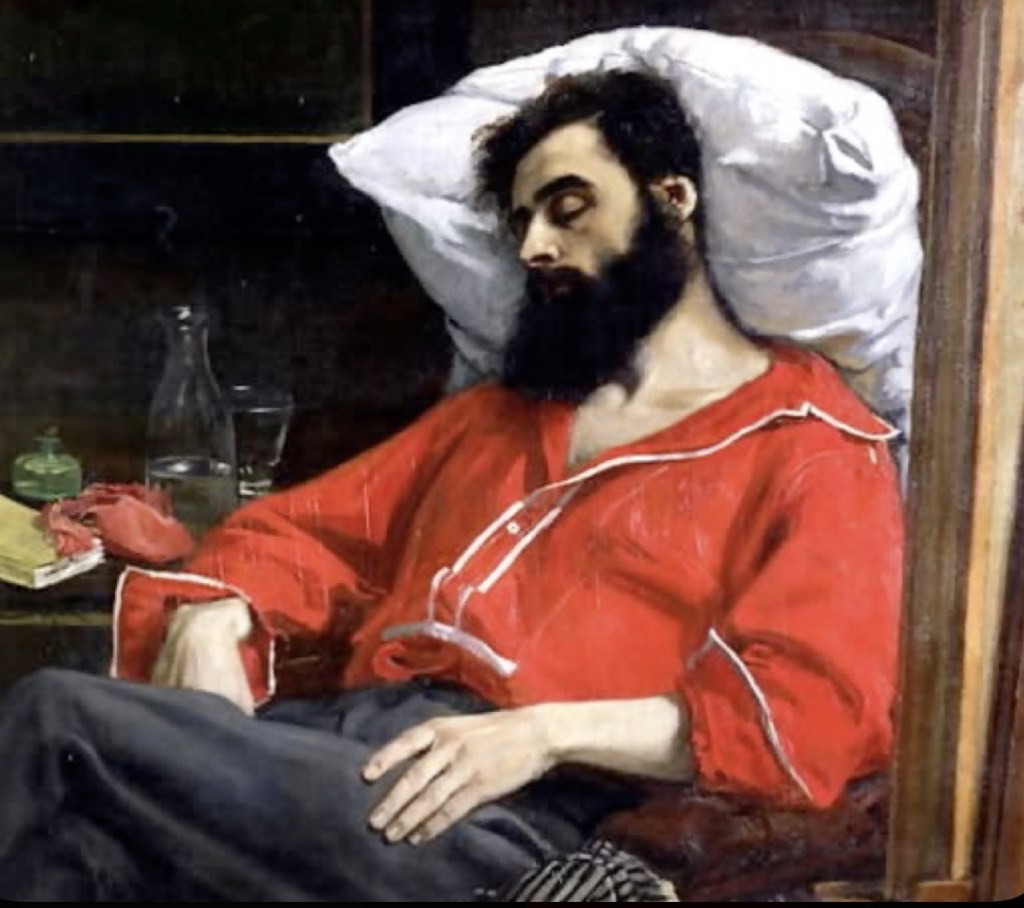
One of the most powerful contrasts in the book is his relationship with Gerasim, a simple servant. While everyone else avoids the truth of Ivan’s condition, Gerasim is the only one who is honest, present, and compassionate.
Ivan finds comfort not in his peers, not in his wife, not in his achievements — but in someone who simply sits with him and acknowledges reality without fear.
That detail stays with you.
At the end of life, what matters isn’t status.
It isn’t titles.
It isn’t what others thought of you.
It’s whether you lived truthfully, and whether anyone was truly there with you.
This book made me reflect on something uncomfortable but important: how easy it is to drift into a life that looks right but feels wrong. Not through big mistakes, but through small, repeated compromises over time.
That’s what makes this story so powerful.
It’s not just about death.
It’s about how we live.
And in a strange way, that’s why I found it so engaging. It’s short, direct, and deeply thought-provoking. It doesn’t try to impress you — it just quietly forces you to think.
I would highly recommend it.
Not because it’s easy, but because it’s honest.
And sometimes, that’s exactly what we need.


Leave a Reply