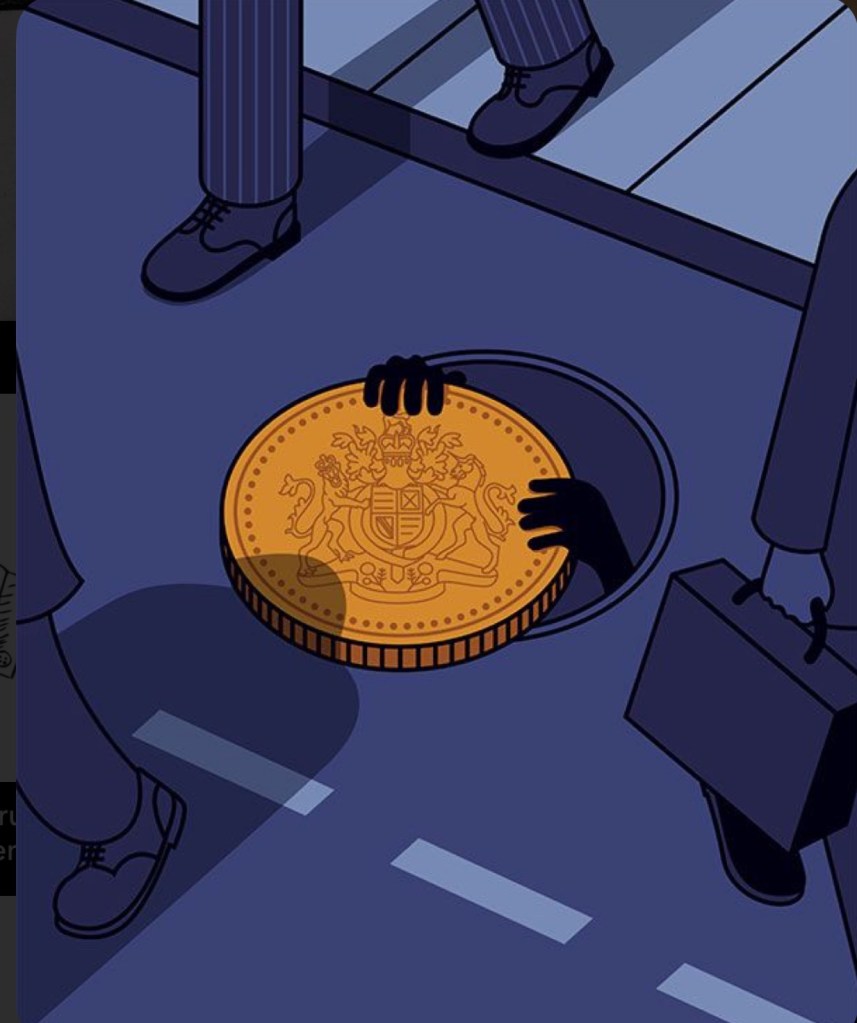
We throw the phrase around all the time:
“Secrecy erodes trust.”
But what does that actually mean in real life?
In marriages, companies, friendships, politics?
This isn’t just a moral statement. It’s a psychological and biological reality.
The human brain is not built to calmly handle uncertainty. When information is hidden, the mind doesn’t stay neutral. It fills the gap with fear, suspicion, and worst-case scenarios.
Let’s break it down step by step.
1. The Brain Hates Gaps
The human brain is a prediction machine.
It constantly tries to answer questions like:
“What’s happening?” “Am I safe?” “Can I trust this person / system / leader?”
When information is missing, your brain doesn’t shrug and say, “No problem, we’ll wait.”
It does the opposite: it assumes danger.
This is an evolutionary reflex. For thousands of years, not knowing what was behind the trees or in the dark was life-threatening. So the brain evolved to treat the unknown as a potential threat.
So when someone is secretive:
A partner hides their phone A boss hides key decisions A government hides documents
Your nervous system reads that as:
“Something is wrong. Prepare for impact.”
That’s the first way secrecy erodes trust:
It activates threat mode in the other person.
2. In the Absence of Truth, People Invent Stories
Psychologically, secrecy doesn’t create silence.
It creates stories.
When we don’t know the truth, we start guessing:
“Why didn’t she tell me?” “Why didn’t my manager share this?” “What is the government hiding?”
And the guesses are almost never positive.
It’s rarely:
“They’re hiding something because they’re planning a surprise party.”
It’s more often:
“They’re hiding something because I’m at risk, being lied to, or being used.”
This is called catastrophic thinking:
The mind jumps to the worst explanation, not the kindest.
So secrecy doesn’t just hide information. It invites paranoia.
And once paranoia enters the room, trust quietly leaves.
3. Secrecy Feels Like Disrespect
Trust is not just about information.
It’s about respect and inclusion.
When someone keeps you in the dark, even “for your own good,” it often lands as:
“You don’t think I can handle the truth.” “You don’t value me enough to be honest with me.” “You’re making decisions about my life without me.”
That’s not just annoying.
It’s deeply destabilising.
Because trust isn’t built on perfection.
It’s built on the feeling:
“You are honest with me, even when it’s uncomfortable.”
Secrecy sends the opposite message:
“You’re not important enough to know.”
And that slowly kills respect.
4. How Secrecy Destroys Trust in Different Areas of Life
Let’s put this into real, familiar situations.
a) In relationships
Imagine a husband who:
Keeps financial decisions hidden Deletes messages “to avoid drama” Says “it’s nothing” every time his wife asks a question
He may think he’s “protecting the relationship” from conflict.
In reality, he’s starving it of safety.
The partner begins to feel:
Uneasy Suspicious Emotionally distant
She doesn’t need to know every little detail.
But she needs to feel there is nothing big being hidden behind her back.
The moment she senses secrecy, trust becomes fragile.
b) In leadership & companies
When employees feel:
Bonuses are decided secretly Promotions happen behind closed doors Strategy is hidden until the last minute
They stop trusting leadership and start:
Protecting themselves Gossiping Doing the bare minimum
Because secrecy at the top sends one big message:
“You are not really part of this. You’re just being managed.”
And once that belief settles in, loyalty and motivation drop.
c) In governments & institutions
When governments hide:
Investigation files Key agreements Mistakes
People lose faith in:
Justice Fairness The system as a whole
They may still follow the rules, but internally they no longer believe.
That’s how secrecy gradually erodes the legitimacy of institutions.
And once trust in institutions collapses, it’s very hard to rebuild.
5. The Emotional Cost: Living With Half-Truths
There’s another side to this: the internal damage.
When you are the one keeping secrets, you’re also:
Splitting yourself in two (the “public” version and the “hidden” version) Carrying constant anxiety about being exposed Slowly disconnecting from the people you care about
You start to feel:
Less authentic Less connected Less at peace
You may still be “functioning,” but internally you’re fragmented.
Transparency isn’t just for others.
It’s also a gift to yourself.
6. Transparency Doesn’t Mean Telling Everything
Important nuance:
“Secrecy erodes trust” does not mean “expose every detail of your life to everyone.”
Transparency doesn’t require:
Oversharing Emotional dumping Zero privacy
You’re allowed boundaries. Everyone is.
The difference is this:
Privacy: “This part of my life is personal, and I choose not to share it.” Secrecy: “I am hiding something that directly affects you, while pretending I’m not.”
One is healthy. The other is corrosive.
Trust dies when people feel that:
You’re hiding things that involve them And you’re not honest about it
That’s the line.
7. How to Stop Secrecy from Destroying Trust
A few simple but powerful practices:
1. Speak early, not after the explosion.
Don’t wait until things get bad. Share when something starts to matter.
2. Name the uncomfortable truth.
Instead of hiding it, say:
“This is uncomfortable to talk about, but I respect you enough to be honest.”
3. Admit your fear.
“I was scared to tell you this because I didn’t want to disappoint you.”
This vulnerability builds more trust than any perfect story.
4. Replace silence with clarity.
Even if you can’t share everything, say:
“There are parts I can’t discuss yet, but I don’t want you to feel shut out. Here’s what I can tell you.”
People don’t need total transparency.
They need to feel you’re not playing games behind their back.
Final Thought
“Secrecy erodes trust” is not just a slogan.
It’s a psychological law.
Every time you choose secrecy where honesty is needed, you trade short-term comfort for long-term damage.
Trust is built when people can say:
“I may not always like what you tell me,
but I know you’re not hiding knives behind your back.”
That feeling is priceless. And once you lose it, no explanation ever sounds clean again.
 Simply K
Leave a comment